
Monster Hunter Stories 3: Twisted Reflection - Switch 2 Review
"I feel like this was less of a review and more of an ”I love Monster Hunter Stories“ declaration"

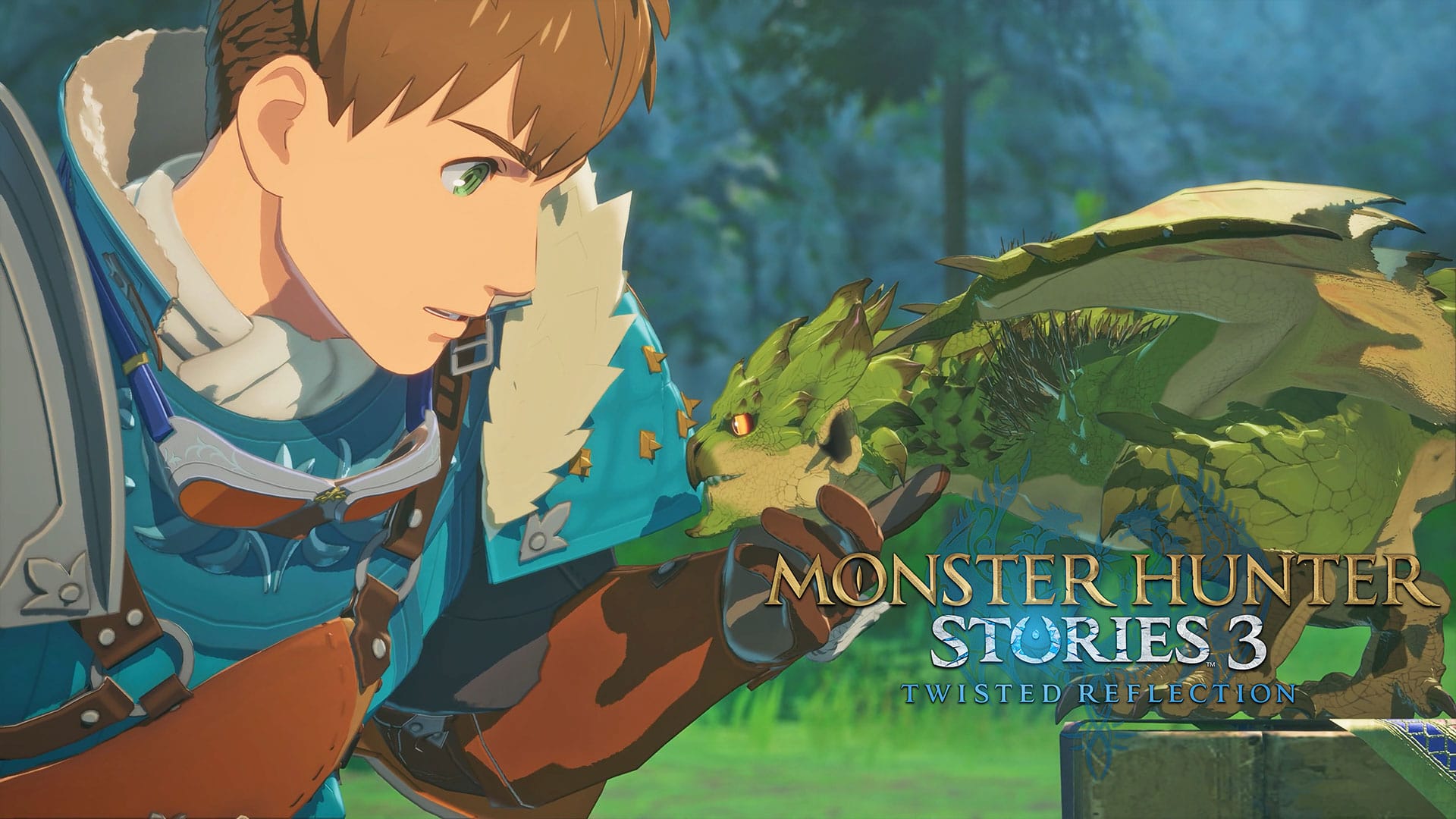
Monster Hunter was one of those series I wanted to like but struggled to get into. The gameplay was good, but I needed a narrative to help compel me to play. So when Monster Hunter Stories was announced, it was like, finally, a monster hunter for me! Due to circumstances (lack of money), I wasn’t able to play the first one, but I happened to play the second one not long after being disappointed by Pokémon Shield. To me, the difference was night and day. Simple mechanics, an interesting story, and I was fighting alongside my monstie! I discarded Pokémon like Andy discarded Woody after getting Buzz Lightyear in Toy Story. While Pokémon has won me back recently, will Monster Hunter Stories 3: Twisted Reflection retain the magic that entrapped me with 2?
The Good
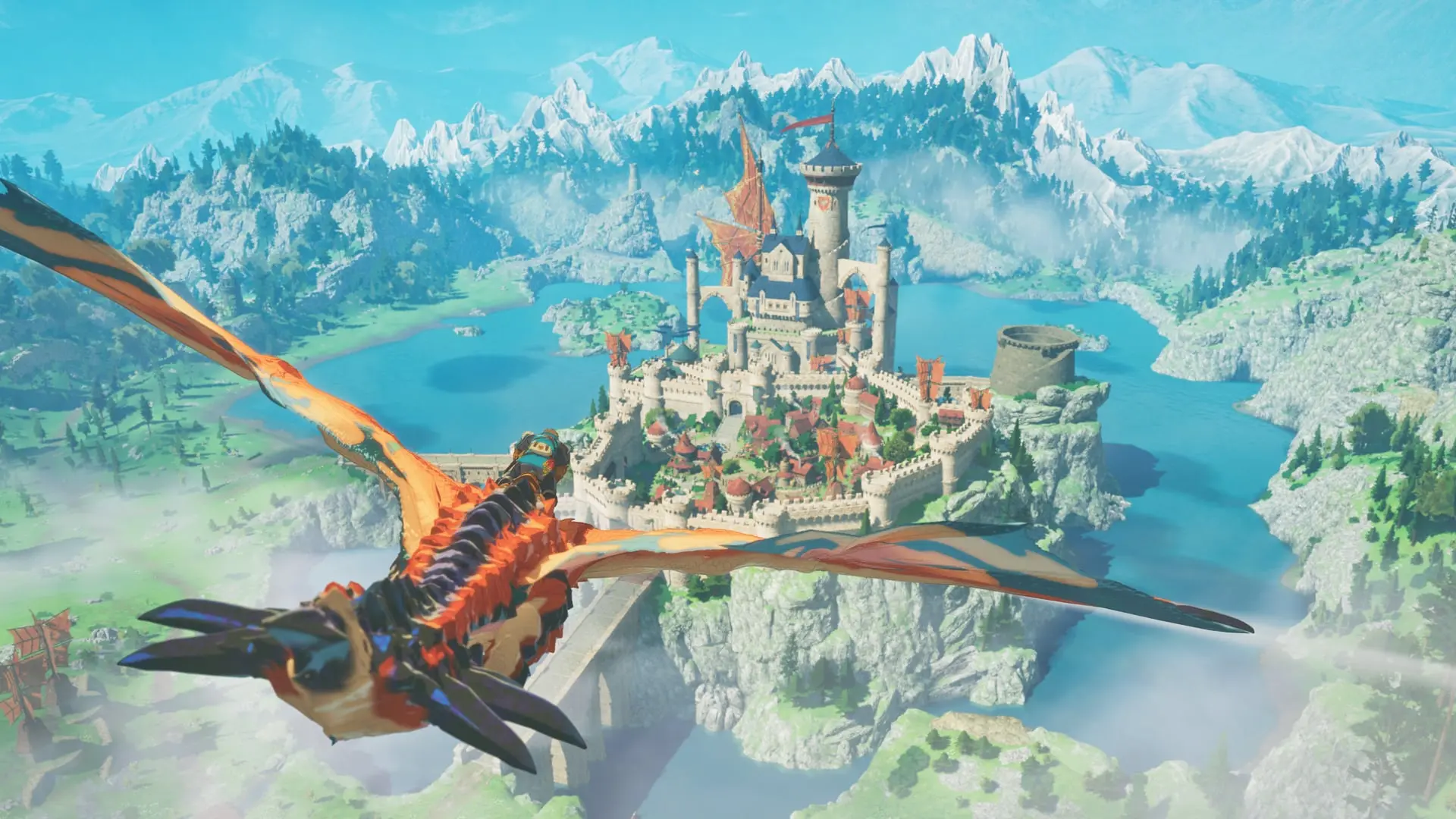
One of the main reasons why I loved Monster Hunter Stories 2 was the narrative itself. There’s a calamity facing the world, and your character is right in the thick of it. After Shield hid the story from me, it was a breath of fresh air. In Monster Hunter Stories 3: Twisted Reflection, the world has been facing a calamity for centuries, but its encroachment was so slow that the kingdom didn’t realise how bad things could be. For some unknown reason, the land is slowly crystallising, destroying the habitat for both humans and monsters alike. Unfortunately, this has incredible consequences, not just for the Kingdom of Azuria but also for the neighbouring Kingdom of Vermeil. As the land becomes encased in quartz, monsters are frozen inside, plants become inedible, and the liveable area shrinks. This causes political tensions between the two kingdoms, which are just trying to do what’s right by their people. The narrative is nuanced in such a manner that there is no obvious right or wrong. While stopping the crystallisation would solve all the problems, without knowing what’s causing it, they need the time to figure that out, and unfortunately, time is something that they don’t really have.
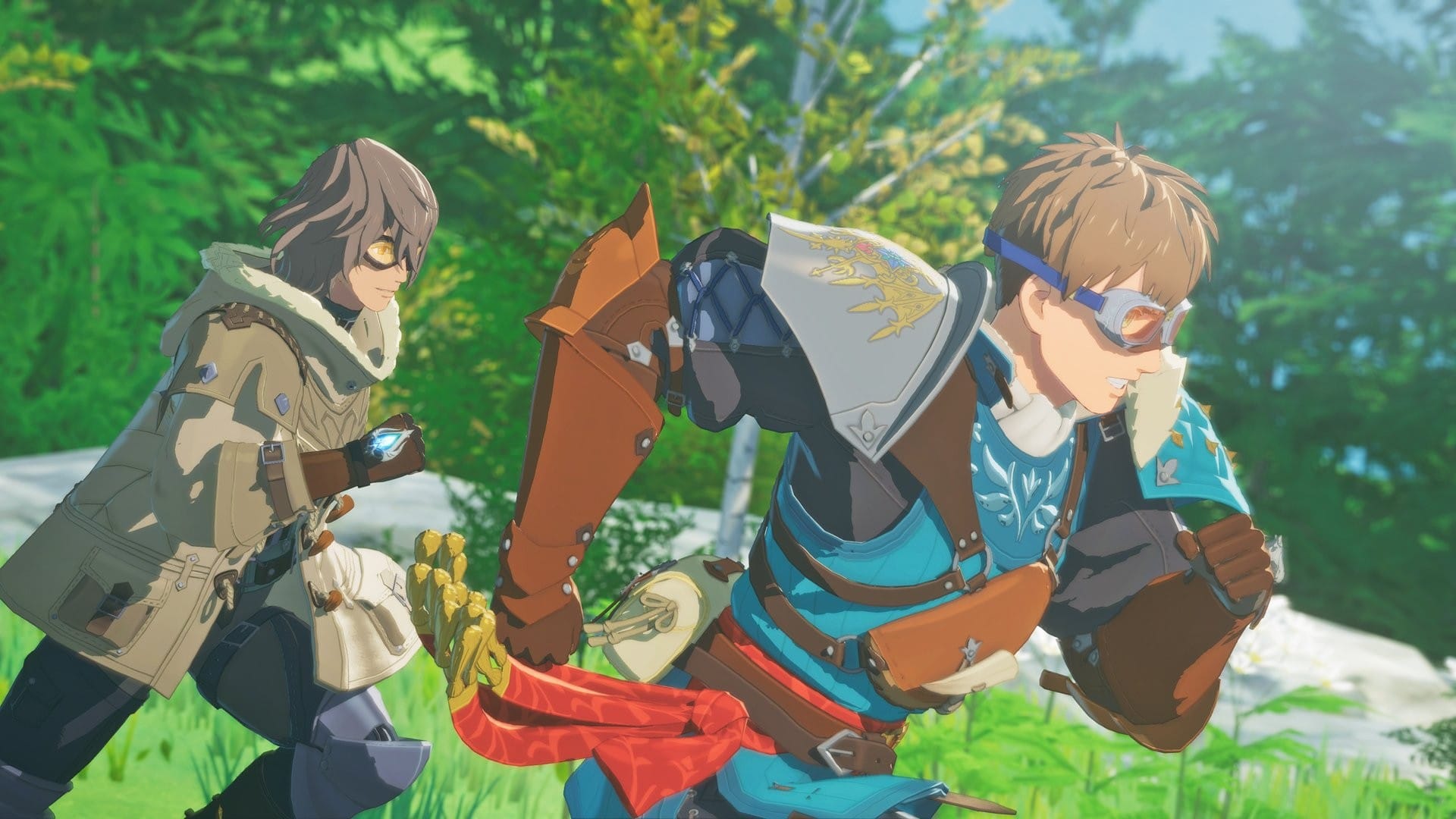
Aside from the main narrative that’s happening, there are a bunch of side stories that become available not long into the game. As our character is the captain of a group called the “Ranger”, these side stories allow the player to get to know their partners better. Throughout the main story, your character will partner up with each of these people, so it’s good to get to know how they play and what equipment they use.
If you haven’t played a Monster Hunter Stories game before, combat is turn-based with a simple rock-paper-scissors mechanic. Power attacks beat Speed attacks. Speed attacks beat Technical attacks. Technical attacks beat Power attacks. And unlike games such as Fire Emblem or Pokémon, it remains this way. Each Monster will have one of these attributes: Power, Speed or Technical. This isn’t just for enemies but for the player's own Monsties as well. The player and their entourage, comprising their partner, their monstie and their partner's monstie, will take turns attacking the monster or monsters, who will attack them in return. Aside from standard attacks, there are three weapon types: sharp, blunt or piercing. These are used to target specific parts of the larger monsters who will have weak points. It’s easy to see these before selecting them. On top of this, the player and their partner will have skills. Same as their Monstie friends. You cannot pick your partner or their monsties attacks, but you can guide your own. Alternatively, you can leave them to make the decisions. Humans have the bonus of having opposable thumbs, so they can use things like potions and other healing items during battle. If this wasn’t enough, there are double attacks, where two people from the party, be they human or monstie will attack the same area at the same time. When a Monster falls over, the party can go for an all-out attack, which deals large chunks of damage. The most impressive attacks, however, are the kinship attacks. These require the player to be riding their monstie to activate them. They deal huge amounts of damage and can be done in conjunction with their partner if they’re also riding their monstie. I enjoy the combat, as it is engaging while sticking to the simple power, speed and technical format.
If you’ve ever played a Monster Hunter game, then you’ll know that they have ridiculous amounts of customisation. Monster Hunter Stories 3 is no different. Players can select not just their eye colour but also the gradient of their eye, the design of their irises, and the colour of their eyelashes, and if they don’t like any of the options on offer, they can assemble their own from sections of presets. Oh, and heterochromia is an option too. If this seems overwhelming, don’t worry, as there are preset options to help people get started. I used one of these and then adjusted the settings more to my liking. I didn’t expect to be able to adjust my fringe and the back of my hair separately and then be able to pick the colour gradient I wanted as well. It truly is crazy. And this is before even going into the armour. Armour has two sets, regular and layered. Layered armour is just what is visible, so players can wear the armour they like the look of while still getting the benefits of the stronger armour they’re actually wearing.
So far, everything I’ve discussed has been in the previous Monster Hunter Stories games. This is completely new to the third one. The role of the Rangers in Monster Hunter Stories 3 is to help rejuvenate the environment and keep its balance. Part of that is finding endangered monster eggs and hatching them before releasing them into the wild. This will help the habitat return to how it was beforehand. It might seem counterintuitive, as eggs are how players gain new Monsties with new traversal abilities, but as monsters are released into the environment, it allows for stronger genes and even genetic mutations. And stronger genes mean stronger monsties with better abilities or ones that are exclusive to that area. Players will end up with a lot of eggs, and as the stables can only hold so many monsters, it was a very clever idea to deal with a problem that the previous games had.
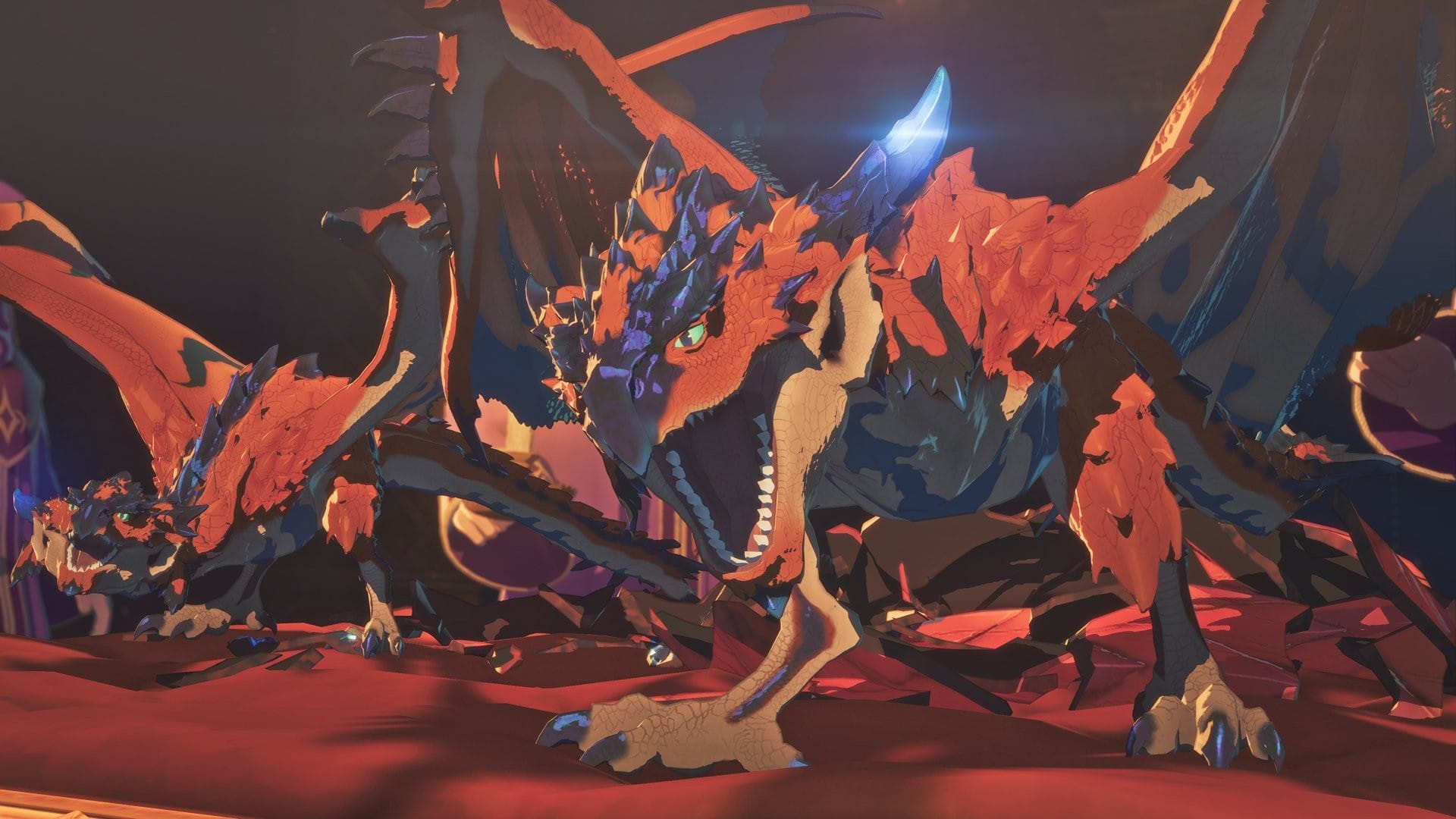
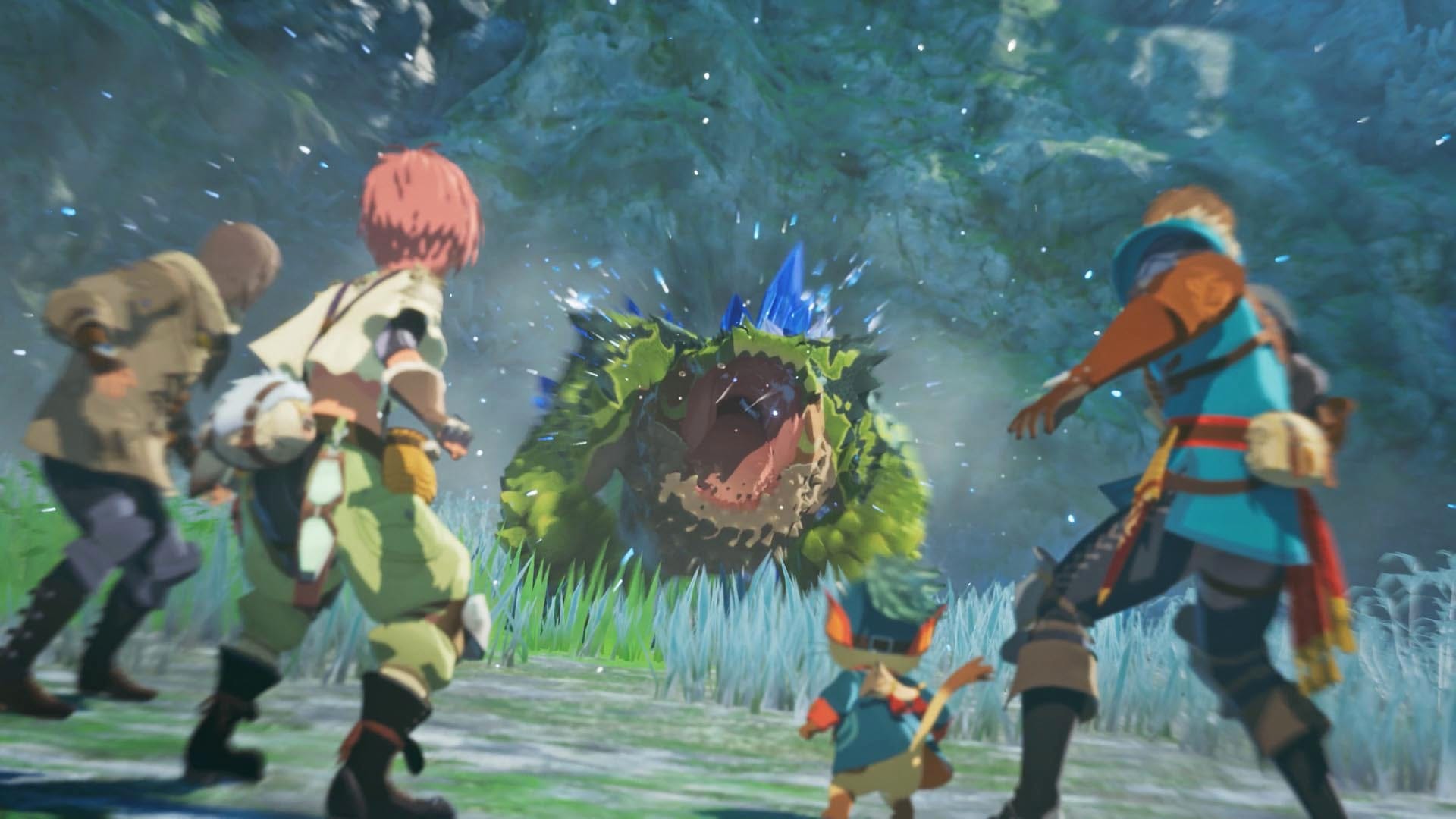
The third iteration of Monster Hunter Stories adds two new monster types. Invasive species and feral monsters. Invasive species are monsters that have settled in an area where they don’t normally live. To fight these monsters, players are required to collect clues about the monsters to aid them in battle. You can’t just charge in and hope for the best. The clues are easy to spot, but you need to avoid the monster in the meantime. These fights will always reward the player with an endangered Monster egg. The other monster type is the feral monsters. These are monsters that have been affected by the quartz that’s slowly taking over the land. This quartz not only gives them elemental abilities they don’t normally have, but it also changes how they will attack the party. Attacking the crystal parts is reckless, so players need to figure out when and where to attack. Both of these add another element to the battle mechanics mentioned earlier.
TL;DR
- Nuanced and engaging story
- Fun, optional Side Stories
- Simple yet interesting Battle mechanics
- Absurd amounts of Customisation
- Intriguing Habitat Restoration
- Different Invasive and Feral Monsters
The Bad
First-time players might find keeping up with the game's mechanics difficult until they get used to it. Monster Hunter Stories 3: Twisted Reflection is pretty good at explaining it with tutorials, but as someone who has played the games before, it was easy for me to pick up. On top of that, if players don’t know about needing to forge the armour and weapons, then the game can spike in difficulty.
TL;DR
- Sharp learning curve with possible difficulty spikes for newcomers

Final Score: 10/10
I feel like this was less of a review and more of an ”I love Monster Hunter Stories“ declaration, but somehow, Capcom managed to take what was already a brilliant game series and elevate it in a way I didn’t think was possible. The nuance of the story, the environmental elements and the new monster types could teach people in our world a lot. If you played two and enjoyed it, then you need to play Monster Hunter Stories 3: Twisted Reflection.
Thank you for checking out our Monster Hunter Stories 3: Twisted Reflection Switch review, thank you to Capcom (via Five Star Games) for providing the review code and thank you to our Patreon Backers for their ongoing support:
- Andrew Caluzzi (Inca Studios / Camped Out)
- Bel Cubitt
- Bobby Jack
- Jack Caven
- Nintendo Maniacs
- RedHero